🇨🇾 BOX NOW delivery in 5–7 working days ✅ Pay on delivery 📦 Free shipping from €50

Peptides for weight loss
Peptides for weight loss
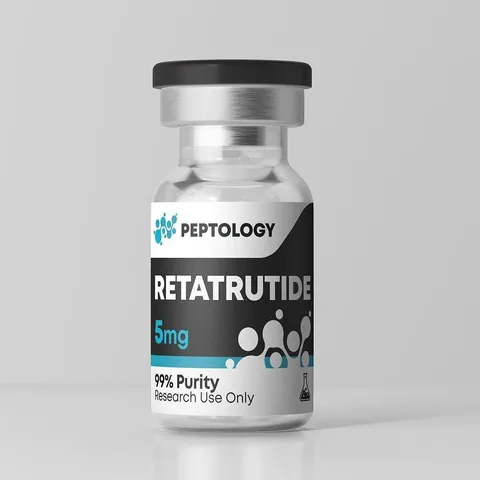
 Retatrutide 5mg/10mg/15mg/30mg - Triple agonist (GLP-1/GIP/GCGR) — 59,00 €
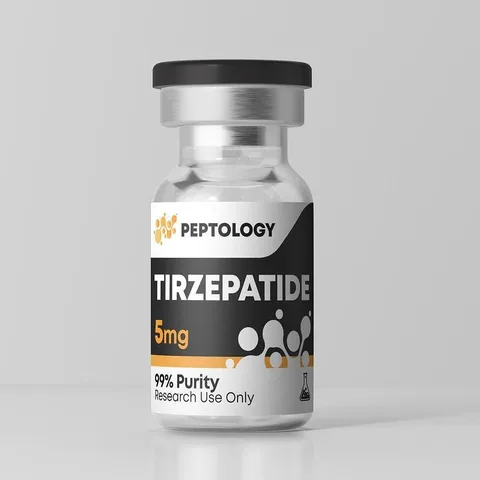
 Tirzepatide 5 mg/10mg/15mg/30mg – Dual agonist (GLP-1/GIP) — 59,00 €
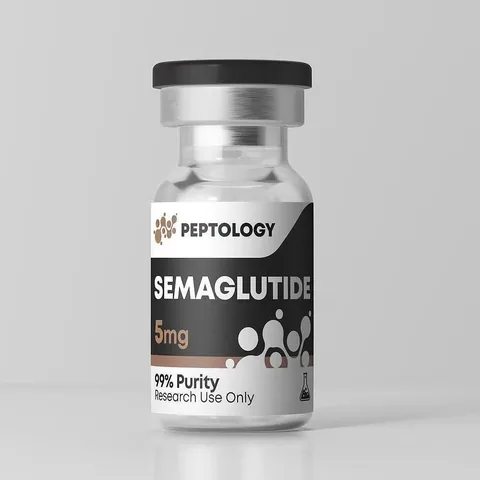
 Semaglutide 5 mg/10mg – GLP-1 receptor agonist — 50,00 €
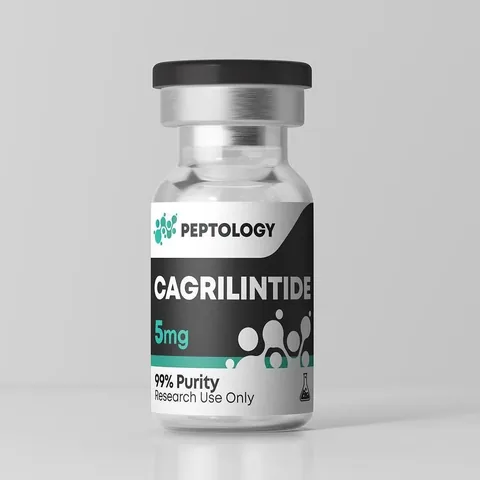
 Cagrilintide 5 mg/10 mg – Amylin analogue — 45,00 €
 CS10 (Cagrilintide 5 mg + Semaglutide 5 mg) – Dual GLP-1 / Amylin agonist — 75,00 €
 CS20 (Cagrilintide 10 mg + Semaglutide 10 mg) — dual GLP-1 / amylin agonist — 119,00 €
 Eloralintide 10 mg – Selective amylin receptor agonist — 125,00 €
Peptides for weight loss: GLP-1, GIP and glucagon agonists and amylin analogues
The Peptology category “Peptides for weight loss” brings together molecules that act on appetite regulation and energy metabolism through three different mechanisms: the incretin pathway (GLP-1 and GIP), the glucagon pathway and the amylin pathway. The difference between the products lies not in their “strength”, but in the number and type of receptors they activate.
All products are purchased online and shipped throughout Cyprus with fast delivery — lyophilised, with confirmed purity of over 99% (HPLC/MS) and an independent laboratory certificate (CoA) for each batch.
The three mechanisms of the category
THE INCRETIN PATHWAY
GLP-1 is the hormone the gut releases after a meal. Its agonists slow gastric emptying and act on the hypothalamic satiety centres. GIP is the second incretin, with a role in lipid processing.
THE GLUCAGON PATHWAY
The glucagon receptor acts on the other side of the energy balance — not on intake but on energy expenditure. It is the only pathway in the category that increases energy expenditure, rather than only reducing appetite.
THE AMYLIN PATHWAY
Amylin is secreted together with insulin by the beta cells and acts through its own receptors, entirely independent of the incretin receptors. That is why it combines logically with a GLP-1 agonist.
The most popular products in the category
Three products cover most of the scenarios under study — one for each level of mechanistic complexity.
The triple agonist. GLP-1, GIP and glucagon in a single molecule. Published Phase 2 data report a mean body weight reduction of about 24% and a fall in liver fat of over 80%, with a half-life of about 6 days.
The dual GIP/GLP-1 agonist. The first molecule in the category to activate two incretin receptors at the same time. Mean weight reduction of about 22.5% in published studies — the balance between strong action and a well-documented profile.
CS10 (CAGRILINTIDE + SEMAGLUTIDE)
Two independent pathways in one vial. 5 mg cagrilintide and 5 mg semaglutide — amylin and incretin together. The CS20 variant contains 10 + 10 mg in the same ratio.
Comparison: the three generations of incretin agonists
Semaglutide, tirzepatide and retatrutide are not variants of the same molecule, but three levels of complexity. Each generation adds an additional receptor pathway.
| Characteristic | Retatrutide | Tirzepatide | Semaglutide |
|---|---|---|---|
| Receptors activated | GLP-1 + GIP + glucagon | GLP-1 + GIP | GLP-1 |
| Weight reduction in studies | ≈ 24% | ≈ 22.5% | ≈ 16% |
| Energy expenditure | Direct increase | Indirect effect | Indirect effect |
| Liver fat | Reduction of over 80% | Significant reduction | Moderate reduction |
| Typical choice for | The broadest metabolic model | Strong action with a known profile | The GLP-1 reference model |
≈ 24%
RETATRUTIDE, PHASE 2
≈ 22.5%
TIRZEPATIDE
≈ 16%
SEMAGLUTIDE
99%+
PURITY WITH CoA
Which peptide for which research model?
- The GLP-1 reference model: semaglutide has the richest literature in the category — it is the starting point when a single receptor is studied without additional variables. Details in Semaglutide: how the GLP-1 agonist works.
- The GIP component: tirzepatide allows the contribution of the second incretin to be isolated, which in the literature is linked with lipid metabolism and insulin sensitivity. Details: Tirzepatide: science, safety and advantages.
- Energy expenditure: retatrutide is the only product in the category with a glucagon component — and therefore the only one that also covers the other side of the energy balance, not just intake. Details: Retatrutide: how it works and what the data show.
- The amylin pathway in isolation: cagrilintide acts through receptors entirely different from the incretin system. More in Cagrilintide 101: how the amylin agonist works.
- Two mechanisms without a second vial: CS10 (5+5 mg) and CS20 (10+10 mg) remove the need to handle two separate vials when the model requires both mechanisms.
- Long-term research models: the plateau phenomenon is one of the most common topics in extended protocols — it is analysed separately in why weight loss stops. Introductory reading on the reference molecule: semaglutide: science and clinical studies.
Product combinations from the category
The rule is simple: you combine molecules that act on different receptors. Two molecules that bind the same receptor do not add up — they compete.
AMYLIN + INCRETIN
Cagrilintide + semaglutide — two entirely separate receptor systems. This is exactly the composition of CS10 and CS20.
READY-MADE OR SEPARATE
The same two molecules can also be used from separate vials when the protocol requires a ratio other than 1:1, or for the gradual introduction of one of them.
+ SOLVENT
Every peptide needs a suitable reconstitution solution. See the category Solutions for peptides.
On the other hand — semaglutide together with tirzepatide or retatrutide — offers no additional information: all three bind the GLP-1 receptor and compete for it. The same applies to CS10 combined with separate semaglutide — the GLP-1 component is already in the vial.
Storage and safety rules
In lyophilised form the products are stable at controlled room temperature (20–25 °C), protected from direct light and moisture. After reconstitution each peptide in this category is stored in the refrigerator.
- After reconstitution with Peptide Matrix Water™ — stable for up to 60 days at +2 °C to +8 °C.
- After reconstitution with bacteriostatic water — up to 28 days under the same conditions. Do not re-freeze a solution that has already been reconstituted. The differences between the solvents are analysed in the related article.
- Direct the solvent slowly along the inner wall of the vial. Swirl gently in circular motions — never shake vigorously, as mechanical stress destroys the structure of the peptides.
- For an exact calculation of volume and concentration use the peptide calculator.
- Disinfect the rubber stopper with an alcohol swab before each withdrawal and note the date of the first puncture on the label.
Important notice: The products in this category are intended exclusively for laboratory research and in vitro scientific analysis. They are not medicines, they are not approved preparations and they are not suitable for use in humans or animals. The mechanisms described come from the scientific literature and are neither a promise of results, nor a recommendation for use, nor a claim about the action of the research products offered. A general comparison of the category is presented in the article GLP-1 agonists: the new reference points.